

Biography
First Steps
The journey of life, which began in Varto, Muş, extended to Istanbul in 1986-87. The deep passion for music was brought to an academic level with solfège, bağlama (a Turkish string instrument), and repertoire training at the Arif Sağ Music School. Noticed by her teachers in her early years, Nilüfer Akbal released her first album accompanied by valuable musicians such as Hasret Gültekin, Abuzer Karakoç, and Mustafa Karaçeper. ""I submitted a petition""He released it to his audience in 1987.
A Voice Beyond Borders
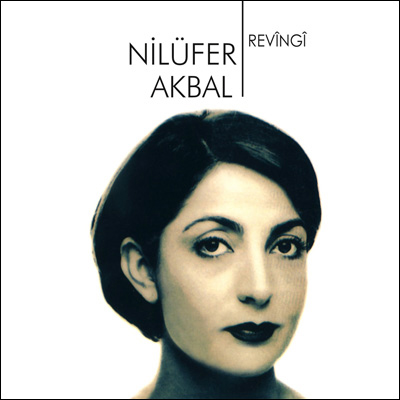
Having received training from Paula Groana, she focused on singing and opera at the Rheinische Musikschule Conservatory in Cologne. Her musical exploration culminated in 1998 with the production of a pop-jazz experiment in France in collaboration with Jean Michel Kanner. ""Revîngî"" With this album, he moves to a different phase. The artist, who successfully represents Kurdish music at international festivals, gives concerts with a choir at the Passionskirche in Berlin. The four-year break that follows this intense period turns into both a musical and inner retreat.
Return to Mother Tongue and Musical Commitment
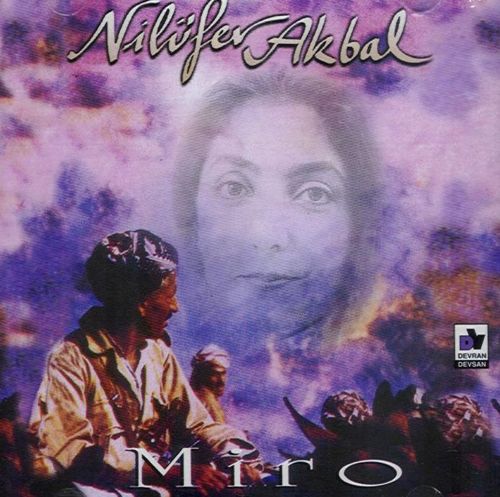
Before the release of her 1992 album "I Am a Woman," she took vocal training from Timur Selçuk and Begüm Erdem, taking a short break from her musical studies to work for the Women's Liberation magazine. This period, during which her awareness of women's issues awakened, also strengthened her commitment to her mother tongue. Encouraged by her close friend Hasret Gültekin, who called her "Zaza," her determination to make music in Zazaca solidified. After the lifting of the ban on Kurdish music, she completed the missing vocals on the albums "Newroz I" and "Newroz II," produced under the direction of Hasret Gültekin. Following collaborative projects with valuable names such as Ahmet Kaya, she released the album "Newroz I," produced under the direction of Kadir Karakoç in 1995, which reached a wide audience. ""Mîro"" He releases his album.
Losses, Ashes, and Raye
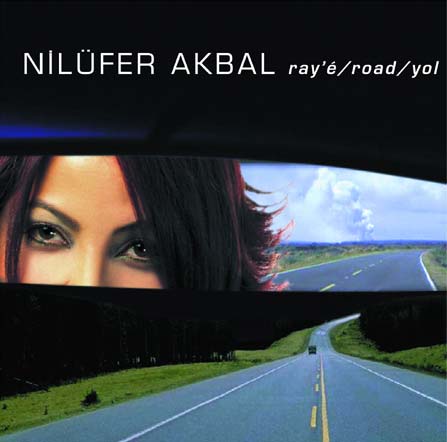
Life brings great sorrow during this period of searching; she loses her mother Sisi and her musical companion Kadir Karakoç. Nilüfer Akbal continues her journey carrying their spirits and memories with her. Through Ciwan Haco, she meets Ayhan Evci, who arranges her work, where jazz, pop, and funk sounds meet Eastern instruments, accompanied by world-renowned musicians. ""Raye"" She released the album (2002). This work, which was chosen as album of the week by Berlin Multi Kulti radio, led to the artist's permanent return to Türkiye from Europe, where she had lived for a long time. With the subsequent album "Şewa" in 2005, she settled completely in Istanbul.
Wisdom of the East and Ancient Melodies
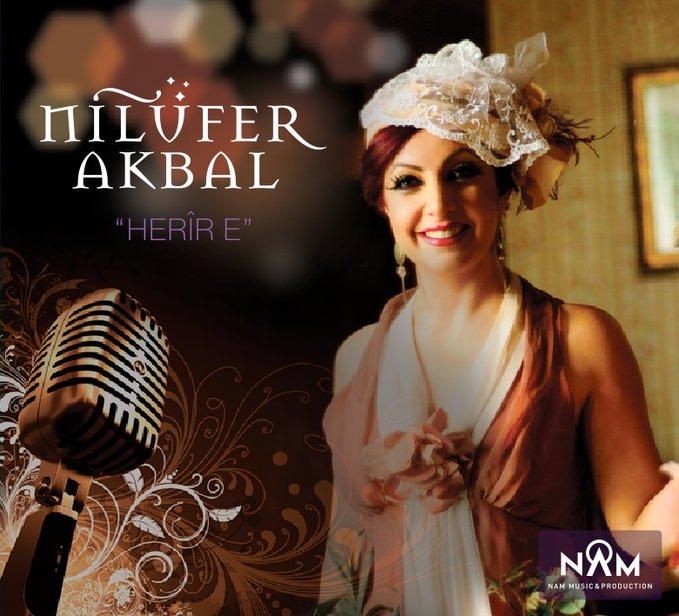
His visits to the Iraqi Kurdistan Region since 2007 opened a whole new chapter in the artist's musical world. He encountered the legacy of living legends like Mezher Xalîqî and Hüseyin Şerîfî, as well as the legacy of veteran voices such as Hasan Zîrek, Ali Merdan, and Tahsin Taha. In ancient Eastern cities like Sulaymaniyah, Hewlêr, Duhok, and Sine, he came across a completely different and profound meaning of the concept of "the East." As a fruit of this insight, he blended his work with Middle Eastern and Iranian culture. ""Herîrê"" The album is born. Throughout her artistic career, she has performed elegies in classic films such as Mem û Zîn, Yol, and Mülteci, and composed music for documentaries for ARTE TV.
Classical Kurdî and Respect for Tradition
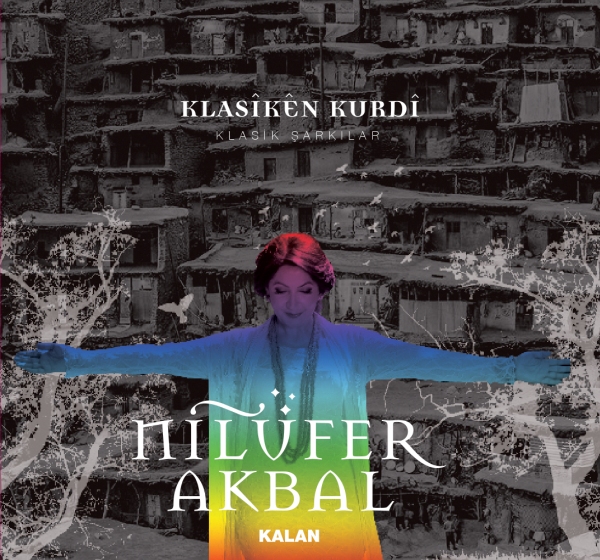
The artist's deep insights into Eastern and Middle Eastern cities resulted in one of the most mature and distinctive works of his musical career in 2013. ""Classical Kurdish"" This gives birth to the album (Kurdish Classics). Prepared by remaining faithful to the century-old oral and written heritage of Kurdish music and the rooted works of the traditional dengbêj culture, this album establishes an unbreakable link between the past and the future. Each work is reinterpreted with modern yet delicate sounds, respecting its origin and spirit.
With this enduring work, Nilüfer Akbal most clearly demonstrates her identity as a guardian of cultural memory, researcher, and interpreter, thus solidifying her place in the realm of universal art.